Saturday, June 3, 2017

1.1.21 English


Transcript:
Joke, joke. - Rory, you like the lamb? - It's good. - Too dry? - No, it's perfect. Potatoes could use a little salt, though. Excuse me? So, Grandpa, how's the insurance biz? Oh, people die, we pay. People crash cars, we pay. People lose a foot, we pay. Well, at least you have your new slogan. And how are things at the motel? The inn? They're great. Lorelai's the executive manager now. Isn't that wonderful? Speaking of which, Christopher called yesterday. Speaking of which? How is that a speaking of which? He's doing very well in California. His Internet start-up goes public next month. This could mean big things. Very talented man, your father. She knows. He always was a smart one, that boy. You must take after him. Speaking of which, I'm gonna get a coke. Or a knife.

Vocabs.

motel  noun [ C ]

uk /məʊˈtel/ us /moʊˈtel/ US also motor inn, motor lodge
a hotel for people travelling by car, usually with spaces for cars next to each room

hotel noun [ C ] (PLACE TO DRINK)

Australian English a building where alcoholic drinks can be bought and drunk and where food is often available


pub noun [ C ] uk ​ /pʌb/ us ​ /pʌb/ formal public house UK

​A2 a place, especially in Great Britain or Ireland, where alcoholic drinks can be bought and drunk and where food is often available:
Do you want to go to (informal go down) the pub after work?
our local pub
a pub lunch.


hotel noun [ C ] uk ​ /həʊˈtel/ us ​ /hoʊˈtel/


hotel noun [ C ] (PLACE TO STAY) ​

A1 a building where you pay to have a room to sleep in, and where you can sometimes eat meals:
a four-star hotel
the Clarendon Hotel
We stayed in/at a hotel on the beach.
hotel guests


take after sb
— phrasal verb with take uk ​ /teɪk/ us ​ /teɪk/ verb took, taken
 
B2 to be similar to an older member of your family in appearance or character:
He takes after his mother/his mother's side of the family.


More examples
Lazy? He takes after his father.
She takes after me with her love of horses.
I hope the children don't take after their grandfather.

take after someone
— phrasal verb with take us ​ /teɪk/ verb [ T ] past tense took /tʊk/


to be like or to look like another family member or part of the family:
Most of my children take after my husband.


Saturday, May 27, 2017

1.1.20 English


Transcript:

Hi, Grandma. Well, you're right on time. Yeah, yeah, no traffic at all. I can't tell you what a treat it is to have you girls here. Oh, well, we're excited, too. Is that a collector's cup or can I throw it away for you? In the kitchen, please. -Sorry. So, I want to hear all about Chilton. Well, I haven't actually started yet. Richard, look who's here. Rory. You're tall.  I guess. What's your height? - Five-seven. That's tall. She's tall. Hi, Dad. Lorelai, your daughter's tall. Oh, I know. It's freakish. We're thinking of having her studied at M.I.T. huh? - Champagne, anyone? - That's fancy. Well, it's not every day that I have my girls here for dinner on a day the banks are open. A toast.To Rory entering Chilton and an existing new phase in her life. Here, here. Mmm. Well, let's sit everyone. This is just wonderful. An education is the most important thing, next to family. And pie.

Vocabs


collector noun [ C ] uk ​ /kəˈlek.tər/ us ​ /kəˈlek.tɚ/


collector noun [ C ] (HOBBY)


B2 someone who collects objects because they are beautiful, valuable, or interesting:
a keen stamp/antiques collector
a collector of modern art


collector noun [ C ] (JOB)


someone whose job is to collect tickets or money from people:
a tax/ticket collector


garbage collector noun [ C ]

uk /ˈɡɑː.bɪdʒ kəˌlek.tər/ us /ˈɡɑːr.bɪdʒ kəˌlek.tɚ/ US

dustman noun [ C ]

uk /ˈdʌst.mən/ us /ˈdʌst.mən/ plural -men uk /-mən/ us UK US garbageman, UK formal refuse collector

a person whose job is to empty people's dustbins and take the rubbish away


cup
noun UK ​ /kʌp/ US ​ /kʌp/ (kkarp)
cup noun (DRINKING CONTAINER)

http://dictionary.cambridge.org/dictionary/english/cup

ʌ is a short vowel as compared to  / ɑ: /.
ʌ > tongue stays in a relaxed position. 
For both sounds, lips are open.


A1 [ C ] a small, round container, often with a handle, used for drinking tea, coffee, etc.:
a cup and saucer
a plastic/paper cup
a coffee cup/teacup

under
preposition UK ​ /ˈʌn.dər/ US ​ /ˈʌn.dɚ/


enter
verb UK ​ /ˈen.tər/ US ​ /ˈen.t̬ɚ/
enter verb (PLACE)

http://dictionary.cambridge.org/dictionary/english/enter?q=entering


A2 [ I or T ] to come or go into a particular place:
The police entered (the building) through/by the side door.
You will begin to feel sleepy as the drug enters the bloodstream.

-ing
suffix UK ​ / -ɪŋ/ US ​ / -ɪŋ/  (Inn nga)

used to form the present participle of regular verbs:
calling
asking

pie
noun [ C or U ] UK ​ /paɪ/ US ​ /paɪ/ (Pai ai i)

http://dictionary.cambridge.org/dictionary/english/pie

B1 a type of food made with meat, vegetables, or fruit covered in pastry and baked:
Would you like some more steak pie?
a pecan pie
More examples

The apple pie was as good as the one my grandmother used to make.
He polished off the whole pie.
steak and kidney pie
lemon meringue pie
Do you want this pie hot?

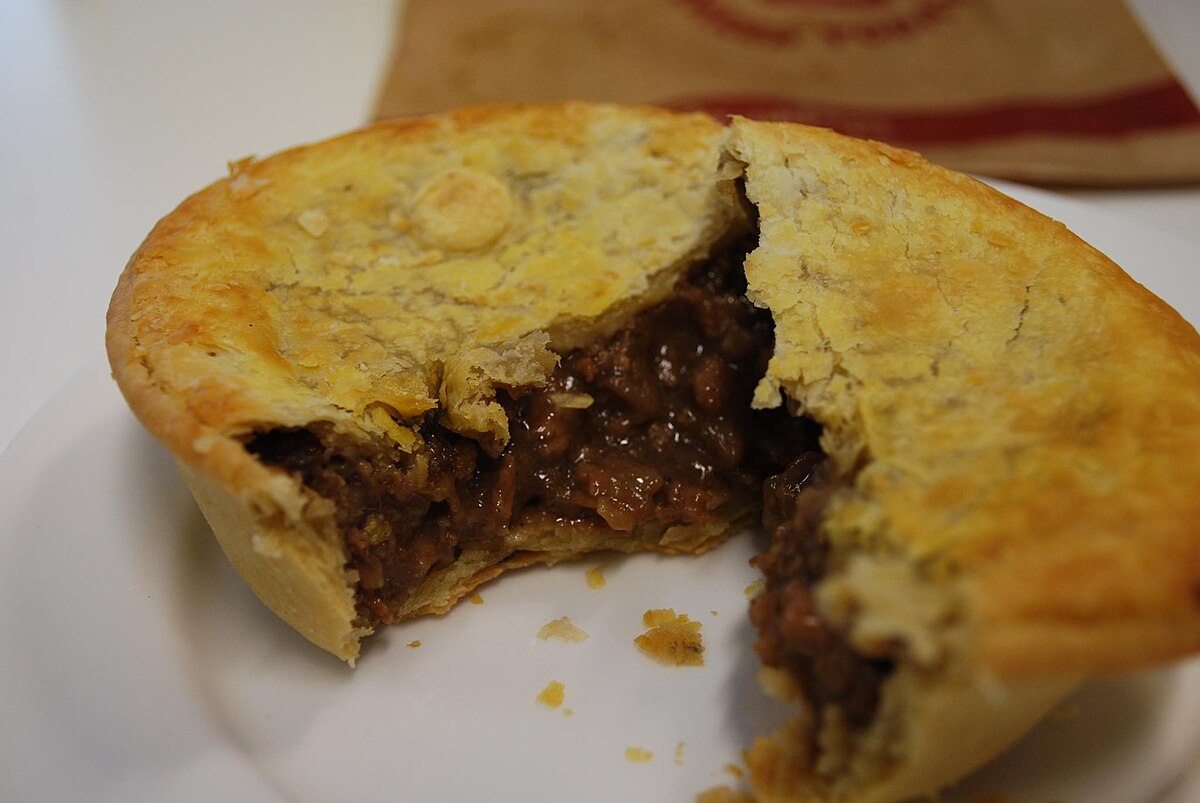
Steak Pie (pic below)

Image result for steak pie

Tart Cranberry Pie
Tart Cranberry Pie (pic below)
Image result for pie

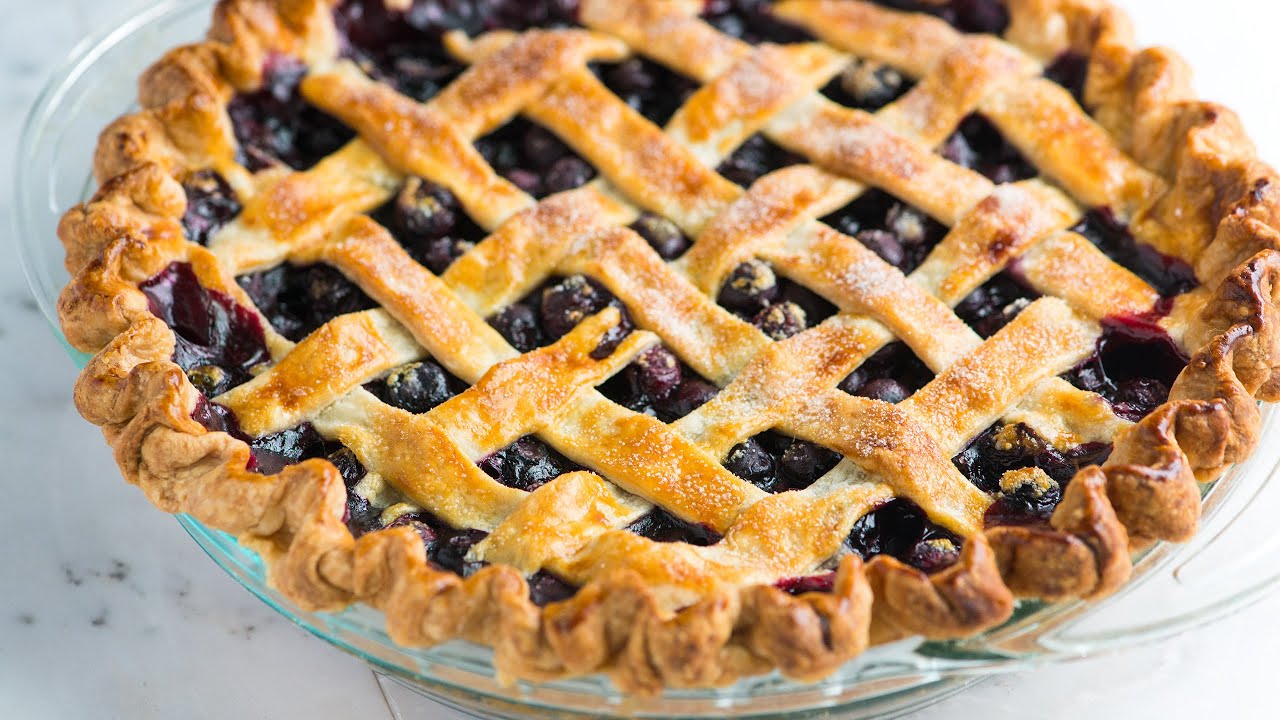
Homemade Blueberry Pie

Image result for pie

Friday, May 19, 2017

1.1.19


Okay, fine. We always had a democracy in this house. We never did anything unless we both agreed. But now I guess I'm going to have to play the mom card. You’re going to Chilton whether you want to or not. Monday morning, you will be there, end of story. - We’ll see. Yeah we will.

Games, changes and fears.  Games, changes and fears.  When will they go from here.  When will they stop. I believe that fate...  'Okay. One, two.. Oh, jeez. I swear I don’t know what happened. It’s not important. I made that dish a hundred times. It never exploded. Please, forget it. Oh, God, I killed a Viking, you should fire me or make me pay the cost of a new stove out of my paycheck. - Whatever you want. - Can’t afford a new stove! Those things are expensive. Sookie, please.  I am begging you, pull yourself together, okay? I got no sleep last night and I put my contacts in backwards. Rory’s still mad at you, huh? Hey, I'm not so crazy about her either. It was a fight. Mothers and daughters fight. No, we don’t fight. We never fight. You told me to tell you when your daughter arrived. She’s here and she’s sitting in my chair. Hold on just a minute. And you are the one left standing. That is a funny, funny thing, no? Hey, no muumuu today. You know what's weird, I kind of miss it. You left a note to meet here. - Thought you might wanna work. - Make a little extra cash. - Fine.  You’re not giving me the "Mommy Dearest" treatment ever, are ya?

You wanted me here, I’m here. Should I do something or what? Yeah, go home. Dinner’s at seven. Be ready to go. - Fine. - Fine. Ah, my chair. So, do we go in or do we just stand here reenacting 'The Little Match Girl'? Okay, look, I know you and me are having a thing here. And I know you hate me but I need you to be civil. At least through dinner, on the way home you can pull Menendez. - Deal? - Fine. 


Vocabs

pull a Menendez
Killing parents, matricide or patricide.

Based on the Menendez brothers, Lyle and Erik, who killed their parents in 1989 with shotguns. They were not originally suspects until their lack of grief and spending almost $1 million in the first six months after their parents death became suspicious.
"My mother said she will ground me if I don't clean my room tonight. I swear to God I am about to pull a Menendez."
#patricide#matricide#homicide#parents#teen angst


fate
noun UK ​ /ft/ US ​ /feɪt/

http://dictionary.cambridge.org/dictionary/english/fate

B2 [ C usually singular ] what happens to a particular person or thing, especially something final or negative, such as death or defeat:
We want to decide our own fate.
His fate is now in the hands of the jury.
The disciples were terrified that they would suffer/meet the same fate as Jesus.

B2 [ U ] a power that some people believe causes and controls all events, so that you cannot change or control the way things will happen:
When we met again by chance in Cairo, I felt it must be fate.
Fate has brought us together.

say
verb UK ​ /seɪ/ US ​ /seɪ/ said, said

fail
verb UK ​ /fl/ US ​ /feɪl/
fail verb (NOT SUCCEED)


B2 [ I ] to not succeed in what you are trying to achieve or are expected to do:
She moved to London in the hope of finding work as a model, but failed.

ate
verb UK ​ /et/ (at) /t/ US ​ /et/ /eɪt/

past simple of eat


at
preposition weak /ət/ UK ​ strong /æt/ weak /ət/ US ​ strong /æt/

made
verb UK ​ /md/ US ​ /meɪd/

past simple and past participle of make :
He was wearing a suit made from pure silk.

dish
noun UK ​ /dɪʃ/ US ​ /dɪʃ/
dish noun (FOOD)


A2 [ C ] food prepared in a particular way as part of a meal:
a chicken/vegetarian dish

"The Little Match Girl" (Danish: Den Lille Pige med Svovlstikkerne, meaning "The little girl with the matchsticks") is a short story by Danish poet and author Hans Christian Andersen. The story, about a dying child's dreams and hope, was first published in 1845.


reenact


verb [ T ] US ​ /ˌri·əˈnækt/
http://dictionary.cambridge.org/dictionary/english/reenact


to repeat the actions of an event that happened in the past as a hobby or as a performance:

The show reenacts medical emergencies.
"If you are interested, you'll do what's convenient; if you're committed, you'll do whatever it takes." - John Assaraf"
1 332 333