Showing posts with label ရုပ်ရှင် အနပညာ. Show all posts

Monday, July 14, 2025

Burswood guitars

 Burswood is a brand of budget-friendly acoustic and electric guitars, primarily made in China for distribution in Europe and the USAThey offer a range of guitars, including acoustic, electric, and classical models, suitable for beginners and intermediate players. While generally considered entry-level instruments, Burswood guitars can be a good starting point for learning. 

Key Characteristics:
  • Affordable:
    Burswood guitars are known for their low price point, making them accessible to those on a budget or just starting out. 
  • Beginner-Friendly:
    Many models are designed with beginners in mind, featuring comfortable necks and playable actions. 
  • Varied Range:
    The brand offers a variety of guitar types, including dreadnought acoustics, Stratocaster-style electrics, and classical guitars. 
  • Potential for Upgrades:
    While some may find them basic, Burswood guitars can be a good foundation for learning and can be upgraded as players progress. 
  • Quality Varies:
    Like any budget brand, build quality can vary, and some guitars may require setup adjustments or minor repairs, especially used models. 
Specific Examples:
  • Often feature a dreadnought body shape and can be a good option for those looking to learn on an acoustic guitar. 
  • May include Stratocaster-style models, which are a classic design for beginners and offer a good starting point for electric guitar. 
  • Nylon-stringed guitars that are also suitable for beginners, especially those with smaller hands or those wanting a gentler string tension. 
In summary, Burswood guitars are a popular choice for beginners due to their affordability and variety, but potential buyers should be aware of the quality and potential for setup adjustments, especially with used models. 

----
A dreadnought body shape in acoustic guitars refers to a large, deep body with a broad waist and relatively square shoulders, designed for powerful projection and a full, resonant tone, especially suited for strumming and rhythm playing. It's a popular choice for singer-songwriters, country, rock, and bluegrass musicians. 


Wednesday, January 29, 2025

Guitar Care and Maintenance Guide

 In this guide, we will discuss guitar care and guitar maintenance for your  acoustic or electric guitar. You’ll learn how to keep your guitar safe during temperature and weather changes, as well as looking good and sounding great. Follow each of the sections below to get started.


How to store a guitar

Keep it in a case

Maintain consistent humidity

How to clean a guitar

Daily cleaning practices

Fretboard maintenance

Polishing the finish

How to change guitar strings

How to store a guitar

Keeping your guitar safe and in excellent playing condition is all about what you do with it when you’re not playing it. It sounds strange but it’s true. Keeping it in a safe location like its case and maintaining the proper humidity level where it’s stored are all key for proper  guitar care.


Keep your guitar in a case

If a guitar isn’t being played, it probably belongs in a guitar case. That’s the best way to ensure its safety while you’re not playing it. Guitars look great on a stand, but if knocked over, there’s more at stake than just a ding or dent. If you choose to store your guitar(s) on a stand or wall hanger, make sure that the room’s humidity is closely monitored. Controlling the environment within a guitar case is much easier to maintain and recommended.


Dramatic temperature changes

Guitars are also subject to temperature changes, especially when traveling. Dramatic leaps in temperature over a short period can damage or warp parts of the instrument. Don’t leave a guitar in the heat or cold for too long. If you do, bring it into the new environment and allow as much time as possible to adjust before removing it from the case. Consider unlocking the guitar case and cracking it open to speed up the process.


Maintain consistent humidity


A very easy and also incredibly important tip for guitar care is properly humidifying; especially for acoustic guitars. The best investment you can make with your new instrument is not a new set of guitar strings or fancy guitar strap. It’s a humidification system that will ensure that your guitar is kept at a constant 45% – 50% humidity level. Failure to do this will result in cracks, sharp fret ends and failed bridges. Learn more about why proper humidification is so essential to guitar care and maintenance.  


Set up a guitar


Guitar maintenance often includes the need to be set up to maintain their playability. Climates with frequently changing weather will require adjustments more often. Check out our guitar setup guide for more information about setting up your electric guitar.


How to clean a guitar

Another tip for guitar care is regularly cleaning your guitar. Cleaning not only keeps it shiny and new, but it can also prolong the life of your strings and prevent your hardware from tarnishing or prematurely aging. Here are some can’t-go wrong solutions to keeping your guitar clean and polished.


Daily guitar cleaning practices


Proper guitar care also includes cleaning your guitar daily. Wash your hands before playing. Our hands are covered in a lot of dirt, oils, and sweat, but our guitars don’t have to be. So for guitar maintenance, washing your hands before playing can help keep your guitar safe from the dirty things that we’re exposed to throughout the day. 


Another tip for guitar maintenance, is to wipe off your guitar after playing, too. Before you close up the case and call it a night, it’s a good habit to give it a quick wipe down with a polishing cloth. Pay a little extra attention to the strings and any hardware since that is where your hands spend most of their time. Wiping down your strings will help keep your tone alive, and there is a unique string cleaner to help get the job done. 


Cleaning potentiometers


Debris like dust and sweat will accumulate in potentiometers (knobs) and cause a scratchy sound when used. The good news is that this is a normal phenomenon and is cured by repeatedly turning the pot back and forth until the scratchiness disappears. For better guitar maintenance, there is even DeoxIt spray available for deep cleaning and to maintain performance. If the sound does not go away or have other crackles, a loose input jack may need to be tightened, or the guitar may need to be seen by a technician.

Fretboard maintenance


Giving your guitar’s fretboard a cleaning whenever you change or remove your strings is a good habit for guitar care. There are many fretboard conditioners on the market today, and they all work well to keep your fingerboard hydrated and looking shiny and new. Avoiding fret sprouting, fretboard cracks, or finish damage is as simple as running your fretboard oil down the fingerboard of your guitar and rubbing it in with a polish cloth. Do not use furniture polish or any glass cleaner on a guitar as this will not react well with the finish. 


Maple fretboards


Warning about maple fretboards: If your guitar has a maple fretboard as many Stratocasters and Telecasters do, you won’t want to use lemon oil or a fretboard conditioner on them. These are most often finished over and it’s only necessary to wipe them down with a microfiber cloth and maybe a small amount of guitar polish. Check out our article on how to clean maple fretboards for more information!


Polishing the finish


Polishing the finish is excellent guitar care, but before you reach for your guitar polish, be sure you’ve taken the time to remove any dust or fingerprints from the guitar with only your microfiber cloth. Failing to remove hard debris like metal flakes will result in scratches to your beautiful glossy finish. Once you’re confident that any unwanted debris has been removed, spray your cloth with the guitar polish and lightly wipe down the guitar in circular patterns. Be sure to get the back of the neck and headstock while you’re at it, but try not to leave any residue behind.


Satin and matte finishes


If your guitar has a natural, matte or satin finish, ditch the polish and wipe the guitar down with a polish cloth for optimal guitar care. These finishes will naturally darken and change wherever your skin makes contact with it, but consider that character and what makes it yours. Wiping your instrument down regularly will help prevent this but should be expected over time with a natural or satin-finished instrument.


How to change guitar strings

Changing strings is a skill every guitar player will need to learn at some point, and the effort is well worth it. A new set of strings will often inject new life into a guitar and help maintain the guitar better. How frequently you change strings depends on how often and where the guitar is being played. While many players change strings for every gig, cleaning the strings will usually do the trick. Playability and sound are two qualities that will vary based on your brand and string gauge selection. Check out the guides below for more information about selecting and installing the right strings for your guitar.


We encourage you to try out as many sets of strings as it takes to find the perfect one for you, but be aware that moving up or down in string gauge will affect the guitar’s setup. Because different gauges will add or relieve tension to the neck, you’ll need to fine-tune some adjustments to your relief, action, and intonation when making this adjustment. Learn more about how to make these adjustments in our electric guitar setup guides. 


Clean strings instead


Many situations require a new set of strings, but some don’t. If your strings are just a little dirty, you can make them sound newer by cleaning them. Check out our guitar string cleaning guide for more information

https://www.sweetwater.com/sweetcare/articles/guitar-care-and-maintenance-guide/


Capo (musical device)

 A capo (/ˈkeɪpoʊˌ kæ-ˌ kɑː-/ KAY-poh, KAH-; short for capodastro, capo tasto or capotasto [ˌkapoˈtasto], Italian for "head of fretboard")[a] is a device a musician uses on the neck of a stringed (typically fretted) instrument to transpose and shorten the playable length of the strings—hence raising the pitch. It is a common tool for players of guitars, mandolins, mandolas, banjos, ukuleles and bouzoukis. The word derives from the Italian capotasto, which means the nut of a stringed instrument. The earliest known use of capotasto is by Giovanni Battista Doni who, in his Annotazioni of 1640, uses it to describe the nut of a viola da gamba.[1] The first patented capo was designed by James Ashborn of Wolcottville, Connecticut year 1850.[2]


Musicians commonly use a capo to raise the pitch of a fretted instrument so they can play in a different key using the same fingerings as playing open (i.e., without a capo). In effect, a capo uses a fret of an instrument to create a new nut at a higher note than the instrument's actual nut.[3]

"Raising the pitch" means to make a sound higher in frequency, essentially making it sound higher or more acute, like when you raise your voice to ask a question, where the pitch at the end of the sentence goes up; in music, it would mean playing a note higher on the scale. 


The nut of a stringed instrument is a small piece of hard material that holds the strings at the top of the neck.


fingering1

/ˈfɪŋɡ(ə)rɪŋ/

noun

a manner or technique of using the fingers, especially to play a musical instrument.

"he once studied keyboard fingering"

https://en.wikipedia.org/wiki/Capo_(musical_device)

Monday, December 23, 2024

Number sign

 The symbol # is known variously in English-speaking regions as the number sign,[1] hash,[2] or pound sign.[3] The symbol has historically been used for a wide range of purposes including the designation of an ordinal number and as a ligatured abbreviation for pounds avoirdupois – having been derived from the now-rare ℔.[4]


Since 2007, widespread usage of the symbol to introduce metadata tags on social media platforms has led to such tags being known as "hashtags",[5] and from that, the symbol itself is sometimes called a hashtag.[6]


The symbol is distinguished from similar symbols by its combination of level horizontal strokes and right-tilting vertical strokes.

Hash, hash mark, hashmark


In the United Kingdom,[26] Australia,[27] and some other countries,[citation needed] it is generally called a "hash" (probably from "hatch", referring to cross-hatching[28]).

Programmers also use this term; for instance #! is "hash, bang" or "shebang".

----

Hatching (French: hachure) is an artistic technique used to create tonal or shading effects by drawing (or painting or scribing) closely spaced parallel lines. When lines are placed at an angle to one another, it is called cross-hatching. Hatching is also sometimes used to encode colours in monochromatic representations of colour images, particularly in heraldry.


----

In guitar chords, a hash symbol (#) represents a sharp, which raises the pitch of a note by one half-step: 

Sharps and flats are symbols used to indicate that a note should be played a half-step higher or lower, respectively. They are placed to the left of a note head. The proper symbol for a sharp is ♯, but the standard # hash is commonly used. The symbol for a flat is ♭, which looks like a lowercase B. 

Sharps and flats are created by widening or narrowing intervals from their original major scale positions. The notes B and C, and E and F, are the only cases where there aren't flats or sharps that can be attached to notes.

Sharps and Flats on Guitar Explained

This lesson will help you understand what sharps (♯) and flats (♭) are in music, where they come from and how they appear on guitar.


You've probably heard the terms "sharp" and "flat" being used by musicians, but perhaps aren't quite sure what they mean.


Knowing this stuff will come in handy when you start studying the fretboard in more detail.


Sharps and flats in guitar scales

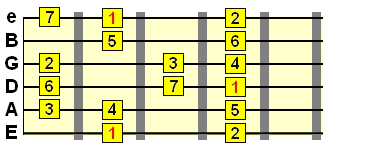
The best way to understand the role of sharps and flats in music theory is to observe how they appear in relation to scales - a sequence of intervals relative to a root (1) note.


Take a look at the scale pattern below...


Intervals: 1  2  3  4  5  6  7


This scale is known as the major scale. Now, there's a separate lesson on this scale, but we're going to reference it in this lesson because of how fundamental this scale is to music theory.


The major scale can be seen as a scale with no sharp or flat intervals - simply 1 2 3 4 5 6 7. The major scale, therefore, is our starting point, our foundation for creating any other scale as well as being a scale in its own right (and used a lot in music).


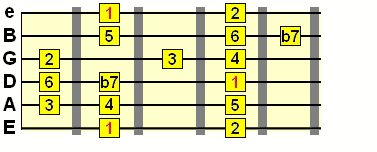
In other words, we widen or narrow intervals from their original major scale positions to create new scales. The movement of these intervals creates sharps (♯) and flats (♭) (note: I'm lazy so I tend to just type a b for flat, but the actual symbol is a more stylised ♭. Also, it's common to use a standard # hash for sharp, but the proper symbol is ♯).


An example...


Let's say we moved the 7th tone of the major scale down one fret position. In music theory, that's known as a flat 7th or minor 7th (♭7). We've flattened/lowered the 7th by one semitone/half step, giving us a new, flat 7th scale...


https://www.fretjam.com/sharps-flats-guitar.html

fret
noun C ]
uk 
 
/fret/
 us 
 
/fret/
any of the small raised metal bars across the long, thin part of a stringed musical instrument such as a guitar, that show you where to put your fingers on the strings in order to produce different notes

fret noun [C] (ON A STRINGED INSTRUMENT)

any of the small raised metal bars across the longthin part of a stringed musical instrument such as a guitar, that show you where to put your fingers on the strings in order to produce different notes

 picture of fret

Saturday, December 14, 2024

Friday, May 11, 2012

ဒီႏွစ္ရဲ. အေမမ်ားေန.မွာ အေမမ်ားရဲ.ေက်းဇူးတရားကို ဦးထိတ္ထားလ်က္ အေမသက္ေက်ာ္ရွည္လို. ေပ်ာ္ရႊင္ပါေစ :)


သမီး ခ်စ္ေသာ ေမေမ

ပင္ပန္းဆင္းရဲ သူမေႀကာက္ပဲ
သားသမီးမ်ားအတြက္ အသက္ေပး
ရဲ၀င့္လွတဲ့ တုိ့ ေမေမ။

လင္ေယာက်ာ္း မရွိေသာ္ညားလည္း
သားသမီးငါးေယာက္ သူလုပ္ေကြ်း
ပင္ပန္းလွတဲ့ တုိ့ ေမေမ။

သားသမီးမ်ား အရြယ္ေရာက္လာ
ေက်ာင္းဖြင့္ခ်ိန္ခါ သူ ့ခမ်ာ
ေသာကမ်ား ႏွင့္ တုိ့ ေမေမ။

ပင္ပန္းဆင္းရဲ
သူမေႀကာက္ပဲ
သားသမီး မ်က္ႏွာ သူ ့တစ္ကမာၻ
သနားစရာေကာင္းတဲ့ တုိ့ ေမေမ။

ဘယ္ေလာက္ဆင္းရဲ
သူမမႈ ႔ ပဲ
ေလာကႀကီးထဲ
သားသမီးမ်ား အတြက္
လူတန္းေစ့ေအာင္ ထားခ်င္ကာ
ထမင္းကိုပင္ သူ အ၀ မစား
သားသမီးမ်ား ၀ ေအာင္စား
သူထုိင္ႀကည့္ ကာ ျပံဳးေနတဲ့
ေလးစားေလာက္တဲ့ တုိ့ ေမေမ။

လိမ္မာေရးႀကား ရွိေစရန္
စာမတတ္ပဲ သြန္သင္ရွာ
တတ္ခ်င္၊ ယဥ္ေက်းေစခ်င္ သူ ့ေစတနာ
ခ်ီးက်ဴး သင့္ေပ တုိ့ ေမေမ။

စီးပြား တစ္ဖက္
အိမ္တစ္ဖက္
အဖက္ဖက္မွာ မလွစ္ဟင္းေအာင္
ႀကိဳးစား ရင္းပင္ ေက်ာ္ျဖတ္လာ
ေမာပန္းလွတဲ့ တုိ့ ေမေမ။

သားသမီးမ်ား အရြယ္ ေရာက္လည္း
ပူပင္ျမဲပဲ မိခင္ေမတၱာ
သိပ္ခ်စ္တတ္တာ တုိ့ ေမေမ။

ဆုိးသြမ္းလွတဲ့ သားရယ္ေႀကာင့္
ရဲစခန္းကို ေန့စဥ္သြားလည္း
မေမာပန္းႏုိင္၊သားဆုိးသမွ်
အျပံဳးမပ်က္၊ အခ်စ္မပ်ယ္ ခြင့္လႊတ္ရင္းပင္
၀တၱရားေတြနဲ့ တုိ့ ေမေမ။

အရြယ္ေရာက္လုိ့
အိမ္ေထာင္ဖက္လည္း
ရွာေပးခ်င္တာ သူ ့ေစတနာ
သနားစရာေကာင္းတဲ့ တုိ့ ေမေမ။

ငယ္ရြယ္ခ်ိန္ခါ
အိမ္ေထာက္ဖက္
ေသဆံုးသြားကာ
သားသမီး ငါးေယာက္ ႏွင့္ မေမာ မပန္း
ေလာကဓံ ကို သူကာကြယ္
တစ္ပင္လဲ ေတာင္ တစ္ပင္မထူ
ေနာင္ေရး ေရွ့ေရး အကုန္ေတြး
ေမာပန္းလွတဲ့ တုိ့ ေမေမ။

အေဖလည္း သူ
အေမလည္း သူ
ညီအစ္မလုိလည္း တိုင္ပင္စရာ
ေလးစားအပ္တဲ့ တုိ့ေမေမ။

အိမ္ေထာင္ေတြ က်လုိ့
သူႏွင့္ခြဲခြါ
ခ်စ္ခင္ ေမတၱာ သူမပ်က္ပါ
သားသမီးမ်ား အိမ္ျပန္အလာ
ေမွ်ာ္ ေနတတ္တာ တုိ့ ေမေမ။

ေမတၱာ၊ ဂရုနာ အျပည့္နဲ့
ပင္ပန္းဆင္းရဲ သူမမွဳ ့ပဲ
ေလာကဓံကို ရဲရဲႀကီး ရင္ဆုိင္
သားသမီးမ်ား မ်က္ႏွာ တစ္ကမာၻ
ႀကည့္ေနတတ္တဲ့ ေမေမ
သမီးတုိ့ အရြယ္ေရာက္ပါျပီ...
ပညာလည္းစံုလင္ျပီ...
လူ ့ေလာကႀကီးကို ေျခစံုရပ္ႏိုင္ႀကပါျပီ...
ေမေမ အေမာအပန္းေတြအတြက္
သမီးတု့ိကို ျပန္လည္ေပးဆပ္ခြင့္ျပဳပါေတာ့ ေမေမ။

မ်ိးေလး ဘေလာ့မွ

Friday, February 10, 2012

"If you are interested, you'll do what's convenient; if you're committed, you'll do whatever it takes." - John Assaraf"
1 332 333